Buffalo Bills vs Chicago Bears Match Player Stats Breakdown
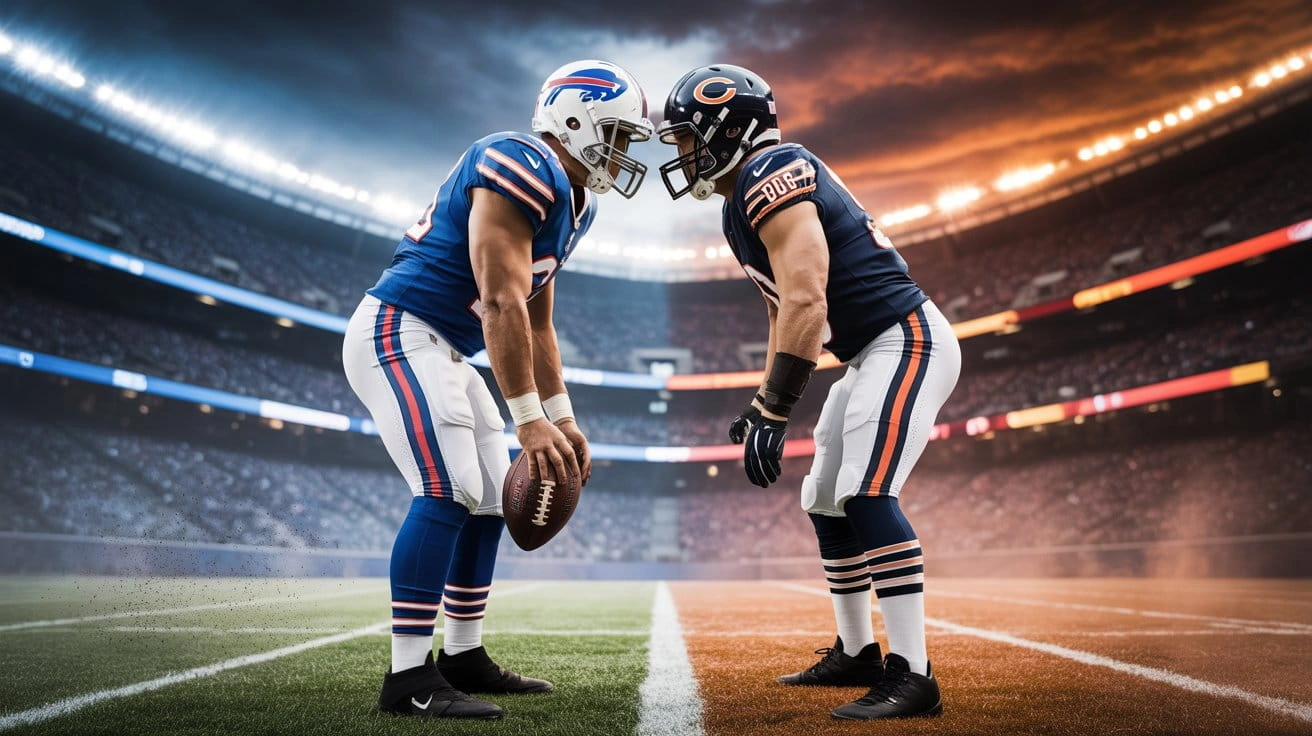
Interest in buffalo bills vs chicago bears match player stats continues to grow among NFL fans, fantasy football players, sports analysts, and bettors. Football audiences no longer focus only on the final score. They want to understand player production, offensive efficiency, defensive performance, and matchup trends.
When Buffalo and Chicago face each other, fans look closely at player contributions across every position. Quarterbacks, running backs, receivers, linebackers, and defensive backs all influence how the game develops.
Readers searching for this topic usually want:
- Player-by-player performance analysis
- Quarterback and rushing statistics
- Defensive breakdowns
- Historical matchup context
- Fantasy football implications
- Team strengths and weaknesses
This guide explains how to understand player statistics, why they matter, and how to analyze performance correctly.
Understanding Buffalo Bills vs Chicago Bears Match Player Stats
Player statistics are measurable indicators that show how athletes perform during a football game. These numbers help explain what happened beyond the final result.
In buffalo bills vs chicago bears match player stats, fans commonly analyze:
- Passing performance
- Rushing productivity
- Receiving efficiency
- Defensive pressure
- Turnovers
- Red-zone execution
- Third-down success
Statistics provide context.
A team may dominate yardage but lose due to turnovers or poor execution near the goal line. Match player stats reveal the full story.
Why Player Statistics Matter
Football statistics help fans understand performance quality.
Performance Measurement
Numbers show how effectively a player contributed.
Quarterbacks are judged by passing yards, touchdowns, interceptions, and completion percentage.
Running backs are measured through rushing yards, broken tackles, and yards per carry.
Receivers are evaluated through catches, target share, and yards after reception.
Matchup Evaluation
Buffalo and Chicago often play with different styles.
Buffalo typically emphasizes aggressive offense and vertical passing concepts.
Chicago often relies on physical defense and balanced offensive control.
Comparing player output helps reveal which system performed better.
Fantasy Football Insights
Fantasy managers depend on matchup statistics.
Key data includes:
- Target volume
- Red-zone touches
- Snap count
- Opportunity share
- Defensive matchup quality
These metrics help predict future production.
Predictive Analysis
Sports analysts use player data to forecast outcomes.
Patterns in performance can reveal likely advantages.
Key Categories That Define Match Player Stats
Understanding the right statistical categories makes analysis more accurate.
Quarterback Performance
Quarterbacks influence nearly every offensive play.
Important metrics include:
- Passing yards
- Completion percentage
- Touchdowns
- Interceptions
- Passer rating
- Yards per attempt
Strong quarterback efficiency often leads to offensive success.
Rushing Statistics
The running game controls tempo and possession.
Key rushing metrics include:
- Total rushing yards
- Average yards per carry
- Longest run
- Touchdowns
- Broken tackles
Teams that run efficiently often sustain longer drives.
Receiving Production
Receivers create explosive plays.
Important receiving stats include:
- Receptions
- Receiving yards
- Catch percentage
- Touchdowns
- Yards after catch
Receiver consistency often reflects quarterback chemistry.
Defensive Metrics
Defense creates momentum shifts.
Defensive categories include:
- Tackles
- Sacks
- Forced fumbles
- Interceptions
- Pressure rate
- Pass breakups
Defensive success can completely change game flow.
Historical Trends Between Buffalo and Chicago
Buffalo and Chicago do not meet frequently because they belong to different conferences.
Even with limited matchups, trends still emerge.
Historically, games between these teams often reveal differences in playing style.
Buffalo tends to rely on offensive explosiveness.
Chicago frequently focuses on physicality and controlled drives.
Preseason contests have also generated interest because player rotations create opportunities for younger talent to produce noticeable stat lines.
Historical performance suggests that roster depth and coaching adjustments often matter more than franchise reputation.
Benefits of Analyzing Match Player Statistics
Studying player stats offers several advantages.
Better Football Understanding
Statistics explain how teams win or lose.
Fans gain insight into:
- Offensive rhythm
- Defensive strengths
- Player consistency
- Coaching decisions
Improved Predictions
Past performance often helps forecast future results.
Patterns become easier to identify when reviewing multiple games.
Fantasy Football Advantage
Managers can identify high-value players.
Stat analysis helps reveal:
- Increased opportunity
- Expanding player roles
- Reliable usage trends
Team Development Tracking
Player numbers reveal growth over time.
Coaches and analysts use statistics to monitor progress.
Challenges When Interpreting Player Stats
Statistics are useful, but they require context.
Limited Sample Size
Buffalo and Chicago rarely play each other.
Small sample sizes make trends harder to confirm.
Game Context Matters
Player performance changes depending on:
- Injuries
- Weather conditions
- Opponent strength
- Coaching strategies
Raw numbers alone may not tell the full story.
Preseason vs Regular Season Differences
Preseason games often feature backups.
Statistical output may not reflect regular-season performance.
Rotation patterns can create misleading conclusions.
Real-World Example of Match Analysis
Imagine a game where Buffalo records more passing yards while Chicago dominates rushing production.
At first glance, Buffalo may appear stronger offensively.
However, deeper analysis might show:
- Chicago controlled possession time
- Buffalo struggled in the red zone
- Chicago created more defensive pressure
- Buffalo committed turnovers
These details explain why player stats matter.
The final score does not always reveal the entire story.
How to Analyze Buffalo Bills vs Chicago Bears Match Player Stats
Following a structured approach improves analysis quality.
Step 1: Review Quarterback Efficiency
Start with quarterback production.
Focus on:
- Accuracy
- Touchdowns
- Turnovers
- Pressure response
Quarterback play shapes offensive success.
Step 2: Evaluate Rushing Production
Running efficiency often determines control.
Compare:
- Total rushing yards
- Yards per carry
- Red-zone usage
Step 3: Examine Defensive Pressure
Pressure disrupts timing.
Track:
- Sacks
- Quarterback hits
- Blitz success
Step 4: Analyze Red-Zone Results
Teams must finish drives.
Touchdowns matter more than total yardage.
Step 5: Study Player Usage
Snap counts reveal role importance.
High usage often predicts future opportunity.
Common Trends in Bills vs Bears Matchups
Patterns often appear across multiple games.
Buffalo Bills Tendencies
Buffalo commonly produces:
- High passing volume
- Strong quarterback involvement
- Vertical passing attacks
- Explosive offensive plays
Chicago Bears Tendencies
Chicago often demonstrates:
- Balanced offensive structure
- Physical rushing attack
- Defensive pressure
- Ball-control strategy
These differences make buffalo bills vs chicago bears match player stats valuable for comparison.
Advanced Metrics Worth Watching
Traditional stats provide one layer of analysis.
Advanced metrics offer deeper understanding.
Expected Points Added
Measures the value created on each play.
Success Rate
Shows how consistently an offense gains productive yardage.
Pressure Percentage
Tracks how often defenses disrupt quarterbacks.
Target Share
Measures receiver importance within the offense.
Yards After Catch
Highlights receiver playmaking ability.
Advanced metrics reveal hidden strengths.
Related Topics Readers Also Search
Semantic topics closely connected to this keyword include:
- Bills vs Bears player comparison
- NFL matchup player analysis
- Quarterback performance trends
- Defensive stat breakdowns
- Fantasy football matchup predictions
- Team efficiency comparison
- NFL player performance review
- Passing and rushing statistics
- Weekly football player trends
- Matchup analytics
These supporting subjects help readers gain broader understanding.
Expert Tips for Reading Football Statistics
Statistics become more useful when interpreted carefully.
Use these methods:
- Compare stats against league averages
- Avoid relying on one-game samples
- Separate preseason numbers from regular-season results
- Focus on efficiency, not just volume
- Study opponent quality
Accurate analysis requires context.
FAQ About Buffalo Bills vs Chicago Bears Match Player Stats
What stats matter most in Buffalo vs Chicago games?
Quarterback efficiency, rushing yards, defensive pressure, turnovers, and red-zone production usually matter most.
Why do player stats vary between games?
Matchups, injuries, weather, and coaching decisions influence production.
Are preseason stats reliable?
Preseason data can be useful but should be interpreted carefully due to player rotation.
Which team usually performs better offensively?
Buffalo often generates stronger passing numbers, while Chicago may rely on balanced offensive production.
Why are defensive stats important?
Defensive pressure, takeaways, and tackling efficiency often decide close games.
How can fantasy players use these stats?
Fantasy managers can study opportunity share, targets, rushing attempts, and matchup difficulty.
Also read Bengals vs Chicago Bears Match Player Stats
Final Thoughts
Interest in buffalo bills vs chicago bears match player stats remains strong because football fans want deeper insight into player performance.
Statistics reveal more than final scores.
They help explain:
- Tactical advantages
- Player consistency
- Offensive efficiency
- Defensive impact
- Matchup strengths
Buffalo and Chicago bring different football identities, making statistical comparisons especially interesting.
By understanding passing production, rushing efficiency, receiving performance, and defensive execution, fans gain a clearer picture of how games unfold.