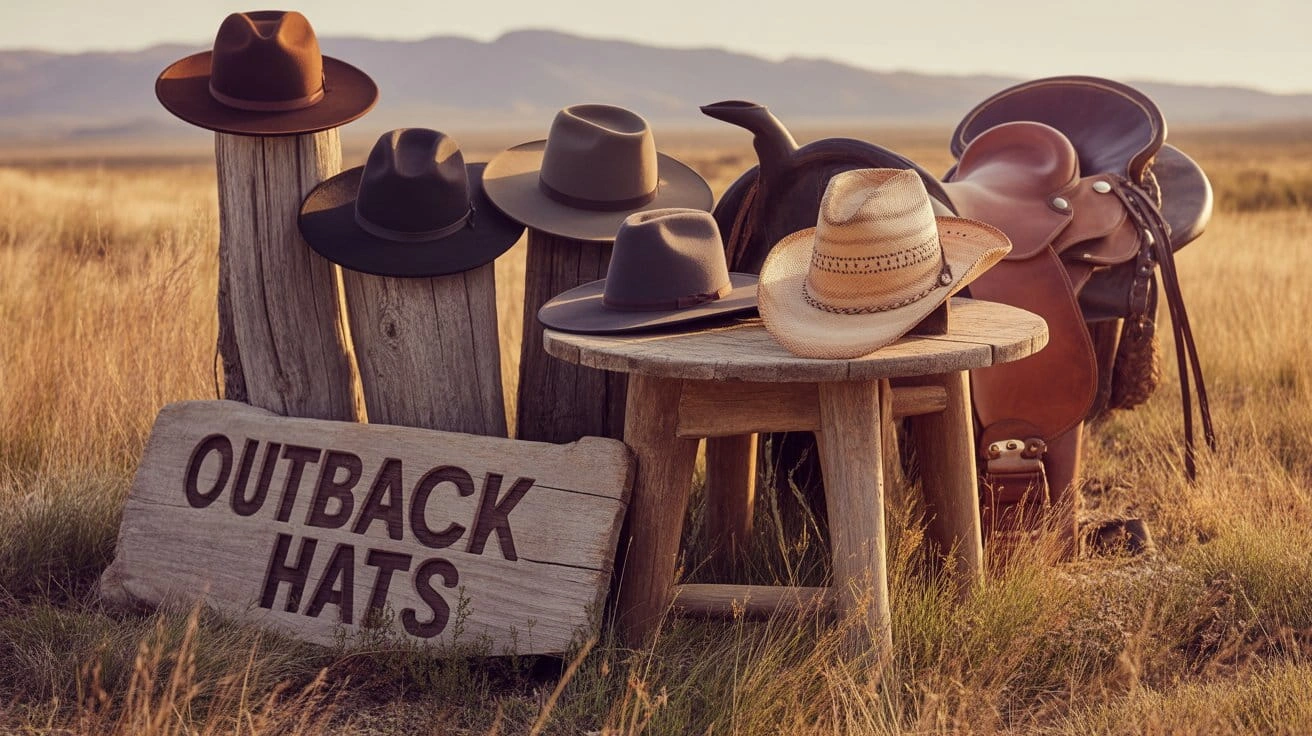
Outback Hats Guide for Outdoor Style and Everyday Wear
Outback hats have become more than a rugged outdoor accessory. They represent a blend of heritage fashion, sun protection, durability, and lifestyle identity. People often search for practical hats that work for hiking, ranch work, travel, festivals, gardening, and everyday fashion. Buyers also look for breathable materials, UV protection, weather resistance, and a timeless western-inspired appearance.
Unlike short-lived fashion trends, these hats remain popular because they combine function and personality. Wide brims, durable construction, and classic shaping make them useful in hot climates, windy environments, and outdoor activities. They also appeal to people searching for versatile headwear that transitions easily from utility to style.
This guide explains everything you need to know about outback hats, including their history, materials, benefits, challenges, selection tips, care methods, and modern uses.
What Are Outback Hats?
Outback hats are wide-brimmed hats inspired by Australian bushwear traditions. They were originally designed for outdoor survival in harsh climates, offering protection from sunlight, wind, rain, and dust.
These hats typically feature:
- A medium-to-wide brim for shade
- A structured crown for airflow and comfort
- Durable materials such as leather, felt, canvas, or straw
- A rugged appearance suited for outdoor environments
Historically, they were worn by stockmen, ranch workers, explorers, and travelers who needed dependable headwear in changing weather conditions. Over time, they became a recognizable symbol of outdoor culture and western-inspired fashion.
Why Outback Hats Remain Popular
Interest continues to grow because people want accessories that provide both utility and authenticity. Modern buyers increasingly prioritize practical fashion, durable materials, and long-lasting purchases.
Demand for Sun Protection
Greater awareness of UV exposure has increased interest in wide-brimmed hats. Many modern designs include breathable construction and materials that provide additional comfort in warm weather. Wide brims help shield the face, neck, and ears from direct sunlight.
Growth of Outdoor Activities
Camping, hiking, gardening, road trips, horseback riding, and outdoor photography have influenced demand. Outdoor enthusiasts often prefer gear that blends protection with classic style.
Heritage-Inspired Fashion
Vintage western aesthetics continue to shape clothing trends. Many people appreciate accessories that maintain timeless appeal.
Long-Term Durability
Well-made hats often last for years when cared for properly. Buyers value products that offer long-term use rather than disposable fashion.
Key Features That Define Outback Hats
Understanding construction helps buyers choose the right option.
Wide Brim Design
A broader brim creates shade and improves comfort during outdoor activity. Brims generally range between 3 and 4 inches.
Crown Structure
The crown often includes shaping or ventilation for airflow and comfort.
Water Resistance
Certain materials naturally resist moisture, making them useful in changing weather conditions.
Secure Fit Options
Some styles include adjustable bands or chin straps to improve stability during windy conditions.
Strong Construction
Quality stitching and reinforced materials improve lifespan and prevent distortion.
Common Materials Used in Outback Hats
Material selection affects comfort, appearance, and durability.
Leather
Leather offers structure, weather resistance, and rugged style. Over time, it develops character that gives each hat a unique appearance.
Leather benefits include:
- Long-lasting durability
- Natural resistance to moisture
- Strong wind performance
- Classic outdoor appearance
However, leather may feel warmer in very hot climates.
Felt
Felt remains a traditional option valued for shape retention and weather protection. Wool felt and fur felt varieties provide dependable performance.
Felt is commonly chosen for:
- Cooler climates
- Ranch work
- Seasonal versatility
- Mild rain protection
Straw
Straw hats provide breathability and lightweight comfort.
They are often used for:
- Warm weather
- Beach travel
- Gardening
- Casual outdoor wear
Canvas and Fabric
Canvas hats offer flexibility, portability, and lightweight convenience. They are especially useful for travelers because they pack easily.
Benefits of Wearing Outback Hats
These hats provide practical advantages beyond appearance.
Better Sun Protection
Wide brims create shade that reduces direct exposure to sunlight.
Improved Outdoor Comfort
Ventilation and coverage help maintain comfort during extended outdoor use.
Timeless Appearance
They complement casual clothing, denim, boots, and outdoor-inspired outfits.
Weather Versatility
Depending on material, they can handle wind, light rain, and dusty conditions.
Long-Term Value
High-quality construction reduces the need for frequent replacement.
Challenges Buyers Should Consider
No accessory works perfectly in every situation.
Heat Retention
Dense materials such as leather and felt may feel warm during extreme heat.
Shape Maintenance
Improper storage may affect brim or crown shape.
Fit Issues
Poor sizing can lead to discomfort or slipping.
Material-Specific Care
Each material requires a different cleaning and maintenance routine.
Understanding these factors helps buyers make better decisions.
How to Choose the Right Outback Hat
Choosing the right hat depends on climate, intended use, and personal style.
Step 1: Identify Your Purpose
Consider whether you need the hat for:
- Travel
- Hiking
- Everyday wear
- Gardening
- Outdoor work
- Fashion styling
Your intended use helps determine the ideal material.
Step 2: Measure Your Head Correctly
Use a soft measuring tape around the widest part of your head.
A proper fit should feel secure without excessive tightness.
Step 3: Select the Right Material
Straw and canvas often work best for warm climates.
Felt performs well in cooler conditions.
Leather suits users seeking rugged durability.
Step 4: Consider Brim Width
Wider brims provide better shade.
Moderate brims may feel easier to wear daily.
Step 5: Check Ventilation
Airflow features improve comfort during long outdoor use.
Real-World Examples of Practical Use
These hats are useful in many environments.
Hiking and Adventure Travel
Outdoor travelers appreciate broad sun coverage and durable construction.
Agricultural Work
Farmers and ranch workers often rely on sturdy hats for long days outdoors.
Horseback Riding
Secure-fitting designs help improve comfort during movement.
Festival Fashion
Western-inspired hats remain popular at outdoor events and music festivals.
Desert and Coastal Regions
Strong sunlight increases demand for protective headwear.
Styling Tips for Modern Wear
These hats work well beyond traditional outdoor settings.
Casual Everyday Outfits
Pair with denim jeans, neutral shirts, and boots.
Utility-Inspired Looks
Combine with jackets, cargo pants, and hiking footwear.
Western Fashion
Add layered textures such as leather belts and denim pieces.
Minimalist Styling
Neutral shades like black, brown, or tan offer versatility.
Caring for Outback Hats Properly
Proper maintenance helps preserve appearance and shape.
Cleaning Methods
Use a soft brush or cloth to remove dust and debris.
Avoid harsh cleaning products that may damage materials.
Drying Techniques
Allow hats to air dry naturally.
Avoid direct heat sources.
Storage Suggestions
Store hats on a flat surface or dedicated rack.
Keep heavy objects away from the brim.
Shape Preservation
Place soft paper inside the crown during storage to maintain structure.
Related Search Interests and User Questions
People exploring this topic often want information about:
- Best materials for hot weather
- Wide-brim hats for sun coverage
- Leather versus felt comparisons
- Hat sizing guides
- Maintenance tips
- Outdoor fashion accessories
- Travel-friendly hats
- Breathable summer styles
- Durable everyday headwear
- Weather-resistant options
Covering these connected topics helps readers understand the full value of these hats.
Practical Buying Considerations
Experienced outdoor users often focus on:
- Material quality
- Stitching durability
- Comfort during long wear
- Reliable fit
- Resistance to weather conditions
A well-made hat should balance appearance with performance.
Frequently Asked Questions
What are outback hats used for?
They are commonly used for outdoor work, travel, sun protection, hiking, and western-inspired fashion.
Are leather hats better than felt?
Leather offers durability and rugged appeal, while felt provides comfort and seasonal flexibility.
Can outback hats be worn in summer?
Yes. Straw and breathable fabric styles work well in hot climates.
How should I store my hat?
Store it on a rack or flat surface away from moisture and direct sunlight.
Are they waterproof?
Some materials resist moisture, but not all hats are fully waterproof.
What brim size works best?
A brim between 3 and 4 inches offers a balance between comfort and shade.
Are these hats only for fashion?
No. Many styles combine practical protection with visual appeal.
Final Thoughts
Outback hats remain popular because they provide both functionality and timeless style. Their ability to offer shade, weather resistance, comfort, and versatility makes them suitable for a wide range of lifestyles.
Whether used for outdoor work, adventure travel, western fashion, or everyday protection from the sun, the right hat becomes a long-term investment. Choosing the correct material, fit, and care routine ensures lasting performance and comfort.